It's easy to miss the way sound adds shape to our lives until things begin to change. If you've ever noticed your days feel quieter, not in a peaceful way but in a way that's hard to describe, you're not alone. Many people find that hearing often fades slowly over time. It might start with small changes that don't seem urgent. Maybe you don't hear the kettle click off or miss part of a conversation in a noisy café.
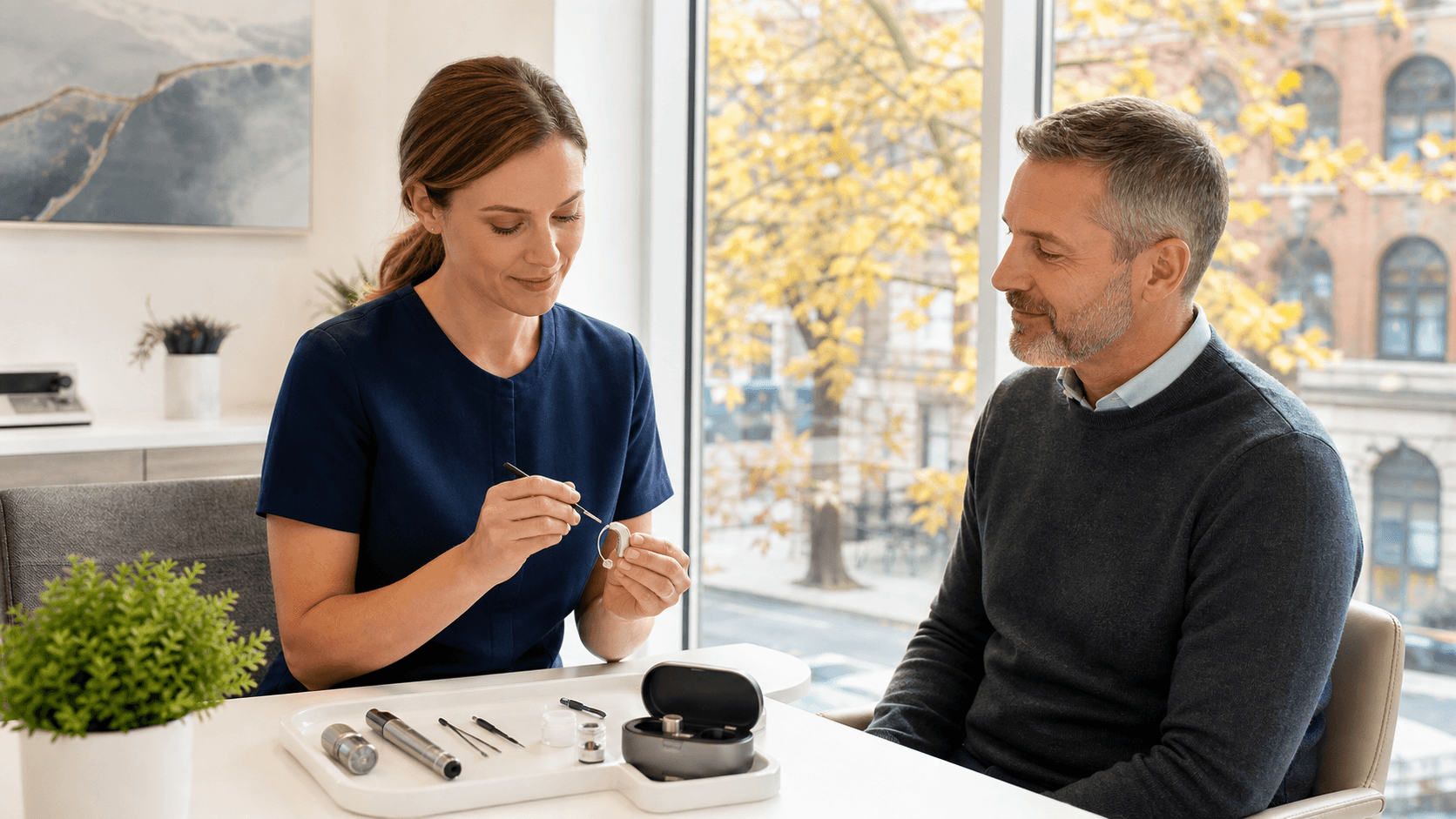
These everyday sounds are part of what keeps us connected and present, and when they start to go, life can feel a little more distant. That's where hearing aid specialists come in. Their job is to help you notice what's slipping away, often before you realise what you're missing. As we move into late spring across Manchester, it's a good time to pay attention. Sounds often feel sharper and more noticeable this time of year, which makes this a better season than most to do something about a change in hearing.
Sounds Around the House That Often Go Unnoticed
Most people don't realise how busy home life sounds until some of those sounds fall away. When your hearing changes, it's often the softer noises that vanish first. They don't make a fuss. They just stop being there.
- The quiet hum of the kettle popping off at just the right moment
- The beep from the oven timer or the subtle click of a remote turning on the telly
- Birds chirping outside the window in the early morning or the gentle flap of post hitting the floor
None of these seems like a big deal on its own. But when a handful go quiet, you might start to feel a bit out of sync with your day. We hear from people who didn't realise the cooker timer had stopped being useful or who missed a neighbour knocking gently at the door. These are ordinary things, but they matter. They give rhythm to your time at home. When they're gone, it feels like something important is missing, even if it takes a while to put your finger on it.
It's not always a loud change that gets noticed. A missing kitchen sound or the subtle hush when footsteps on the stairs no longer register can hint that something is different. Sometimes, these are the things that make home feel familiar. Without them, daily routines can start to feel off balance.
Missed Moments During Conversations
Talking with others is easier when you don't need to think about it. Words just land, and we respond. But when hearing starts to shift, conversations often become harder to follow, especially when there's background noise or several people chatting at once.
- It might feel like others mumble more, or speak too softly
- Hearing someone from another room might start to seem impossible
- You may find yourself nodding along more than actually catching the words
Suddenly, conversations can feel like work. You might repeat "sorry?" more often or drift out of group chats without realising it. People might think you're distracted. In reality, you're guessing at chunks you've missed. Things like family gatherings or a catchup with friends at a café can start to feel a little stressful instead of enjoyable. It's not always easy to admit when this is happening, but noticing is the first step to changing it.
In many cases, it's those small, misunderstood exchanges that pile up and add worry or frustration to simple chats. You may notice asking family to repeat themselves or feel less keen on meeting friends somewhere busy. Even the TV might get turned up a little higher, one notch at a time, until another person points it out.
Outdoor Sounds That Bring Days to Life
Spring in Manchester usually means longer walks, park visits, and more time spent outdoors. With those outings come certain sounds that let us feel grounded in our surroundings. But when they start to fade, the world can feel quieter and oddly empty.
- Rustling trees or leaves crunching underfoot might vanish from notice
- Distant chatter, bus brakes, or footsteps approaching behind you become harder to catch
- Crossing a street may start to feel unnatural without hearing traffic from every direction
We rely on sound more than we realise to move through the world safely and comfortably. It's often these outdoor changes that people find sneaking up on them. They might miss a cyclist passing on the left or feel startled by someone walking up unnoticed. These little moments shift how safe and alert we feel outside the house. Hearing brings a kind of map to daily movement, and when that map starts losing details, we feel it.
Some find themselves turning to look more often, double-checking the path, or walking with more caution simply because less sound becomes available to fill in gaps. These are the moments it's tempting to shrug off, yet over time, they become more obvious, especially when being outdoors is a bigger part of daily routines in the warmer months.
When Familiar Noises Start to Change
Some moments really stick out. Maybe it's when you don't hear the doorbell at all, even though someone else says it rang. Or when you realise the phone rang three times and you didn't move. It can be a strange feeling, especially when those were sounds you used to hear with no issue.
- The tone of a phone ring or a name being called from upstairs going completely missed
- A door knock blending into background noise, even in a quiet space
- Feeling caught off guard when others hear things you didn't know happened
These aren't just technical misses. They affect how tuned in we feel to the people and the rhythms around us. Familiar sounds bring confidence and ease. When they fade, surprises happen, and not the pleasant kind. This is often when people seek help. A good hearing aid specialist understands what familiar sounds you've lost and how to bring them back into your day. It's less about fixing something and more about making home feel like home again.
It can be unsettling to notice these changes. People talk about missing the microwave beep or not realising someone called from the driveway. It's the absence of small, daily signals that makes routines feel less smooth or connected. These gaps are often what prompt someone to ask questions about their own hearing.
A Quieter Life Doesn't Have to Stay That Way
Each day holds a scatter of little sounds that make life feel normal and connected. Small details, like the beep of a microwave or a friend laughing across the table, have more weight than they seem. When those start to go missing, you don't just lose sound, you feel a little less sure in your space.
The important bit is that you don't have to figure it out alone. Those quiet changes can build up before you realise anything is different at all. If any of this feels familiar, or you've been wondering whether you're hearing everything you used to, that's worth noticing.
At The Manchester Hearing Aid Clinic, we offer a wide choice of digital hearing aids and support from qualified audiologists to help personalise your experience. With trial options and aftercare included, we work closely with you to bring clarity and natural hearing back to your routine.
We believe being aware is the real first step. Support is nearby when you want it, and there's no harm in being curious about what you might be missing. Everyday life should sound like life again. We're here when you're ready to hear it a bit more clearly.
Noticing that soft sounds have faded or that conversations are tougher to follow? Our experienced hearing aid specialists in Manchester can help you reconnect with the everyday moments that make life comfortable and familiar. From the kettle in the kitchen to footsteps outside, we want you to enjoy clear, natural hearing again. At The Manchester Hearing Aid Clinic, we believe everyday sounds should feel close, not distant. Ready to hear your surroundings more clearly? Please contact us today.