What Happens When You Need Emergency Ear Wax Removal in Manchester
A suddenly blocked ear can make a normal day feel far more difficult. Sounds may seem distant, pressure can build, and a hearing aid may become quieter or start to whistle. When this happens, we recommend a professional ear examination rather than trying to clear the ear yourself.
For many people, emergency ear wax removal in Manchester means finding prompt help when blocked hearing is disrupting work, family plans, travel or an important event. We provide specialist-led assessments in Didsbury, so we can check whether earwax is the likely cause and advise on the safest next step.
Fast Relief Starts with the Right Ear Care
Wax build-up can be gradual, but it may feel as though it has appeared overnight when wax shifts in the ear canal. Hearing can become muffled, particularly after bathing, wearing earbuds or putting in a hearing aid.
Common signs we see include:
- Reduced or muffled hearing
- A blocked, full or pressured feeling in the ear
- Itching or mild discomfort
- Ringing sounds, also known as tinnitus
- Hearing aids sounding quieter or producing feedback
Although these symptoms can be frustrating, a blocked ear is not always a medical emergency. Same-day assessment can still be helpful when you need to hear clearly for an upcoming commitment or when the blockage is affecting your confidence and comfort.
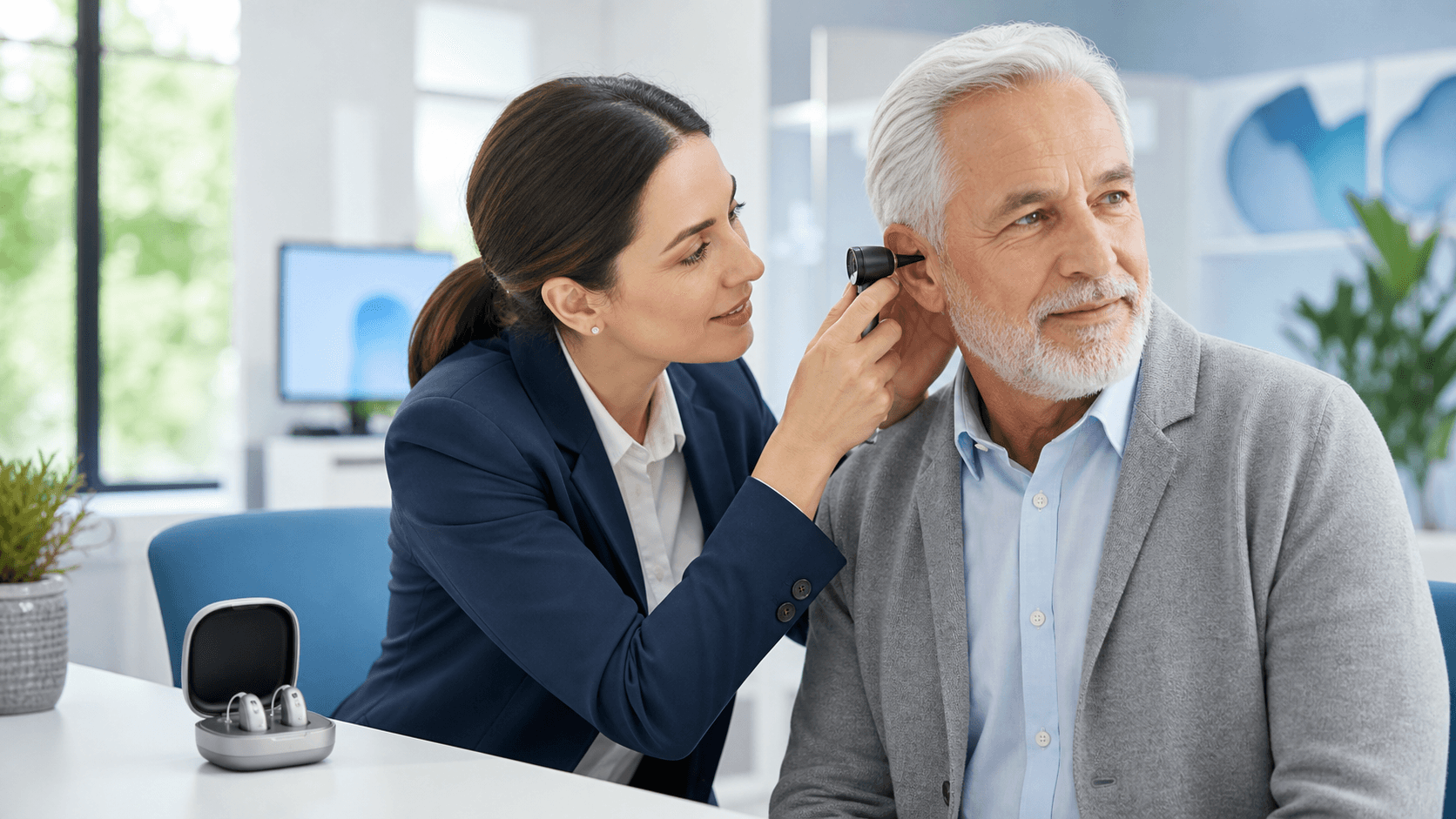
During an appointment, our hearing care professionals can look inside the ear and establish whether wax is present. That matters because not every change in hearing is caused by wax, and attempting home removal can make a blockage harder to treat.
When Blocked Ears Need Prompt Medical Advice
Earwax often causes a gradual change in hearing, mild itchiness or a blocked sensation. It can also become tightly packed when cotton buds, hair grips, tissue twists or other objects are placed in the ear. These items tend to push wax further down the canal instead of taking it out.
There are, however, symptoms that should not be assumed to be earwax. Please seek urgent medical advice from NHS 111, your GP or urgent care services where appropriate if you experience:
- Sudden hearing loss
- Severe ear pain
- Bleeding or fluid discharge from the ear
- Fever, strong dizziness or facial weakness
- Symptoms after a head injury
It is also important to tell us about any past ear surgery, perforated eardrum, recurring ear infections or grommets when arranging an assessment. This information helps us decide whether microsuction is suitable or whether medical assessment should happen first.
What Emergency Ear Wax Removal in Manchester Involves
Prompt ear care should feel calm and straightforward. We begin by asking about your symptoms, hearing history, hearing aid use and any previous ear concerns. We then examine the ear canal with appropriate equipment to see whether wax is present and whether removal can be carried out safely.
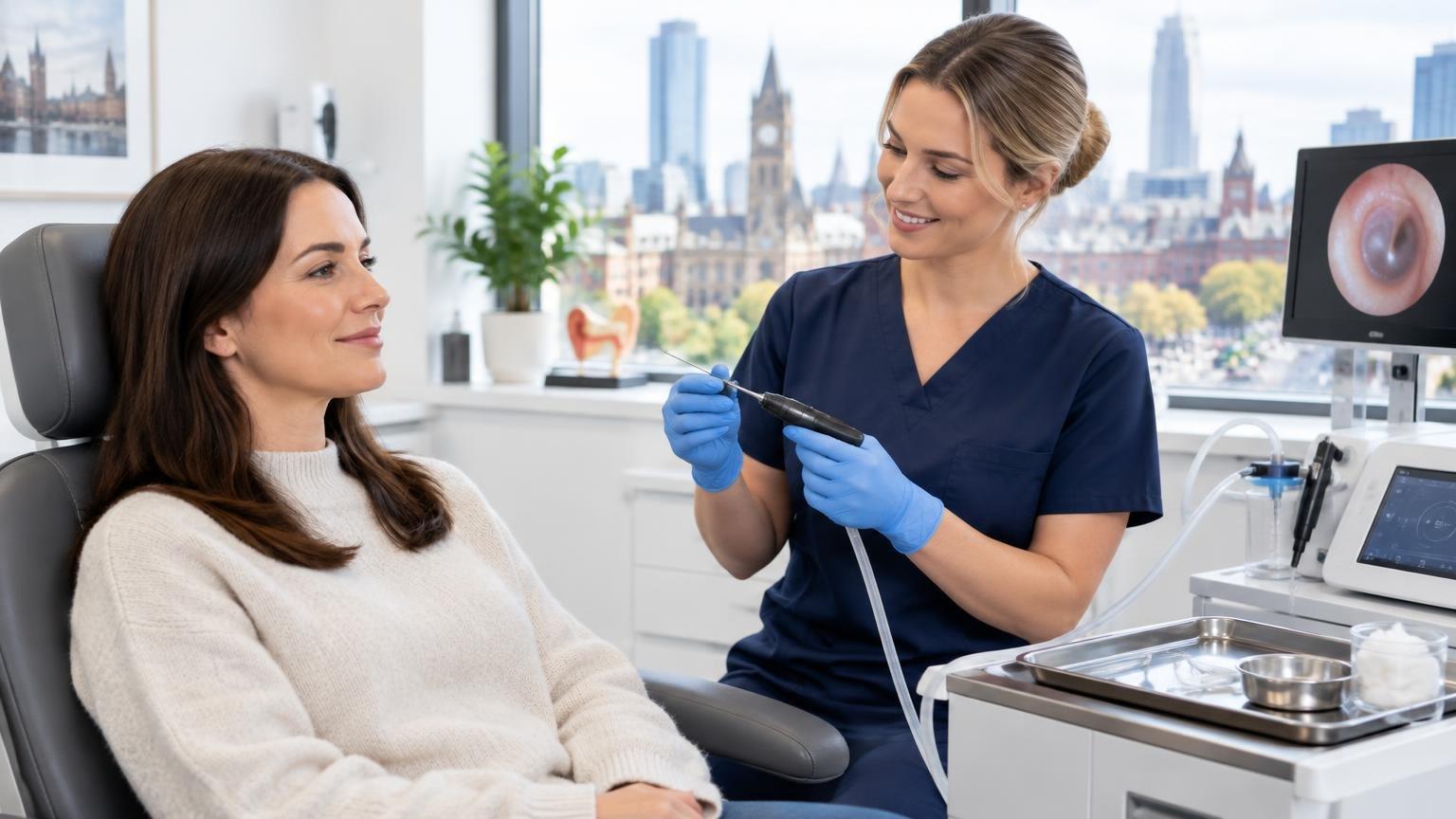
When wax removal is suitable, we may use microsuction. This is a controlled method that uses gentle suction while we can clearly see inside the ear canal. Unlike ear irrigation, it does not involve flushing water into the ear.
Treatment time depends on the amount of wax, its texture and where it is sitting in the canal. Some blockages can be removed in one visit. Hard, dry or tightly compacted wax may need softening drops before a further appointment. Same-day appointments may be available for local patients when availability and suitability allow, but we never promise removal before examining the ear.
Why Microsuction Is Often Preferred
Ears are usually self-cleaning. Wax normally moves slowly out of the canal on its own, where it can be wiped away from the outer ear. Trouble can arise when the canal is narrow, wax becomes impacted or regular hearing aid and earbud use affects how wax moves.
Putting objects into the ear can irritate its delicate skin and compact wax further. Ear candles should be avoided too, as they do not reliably remove wax and may leave debris behind or cause burns.
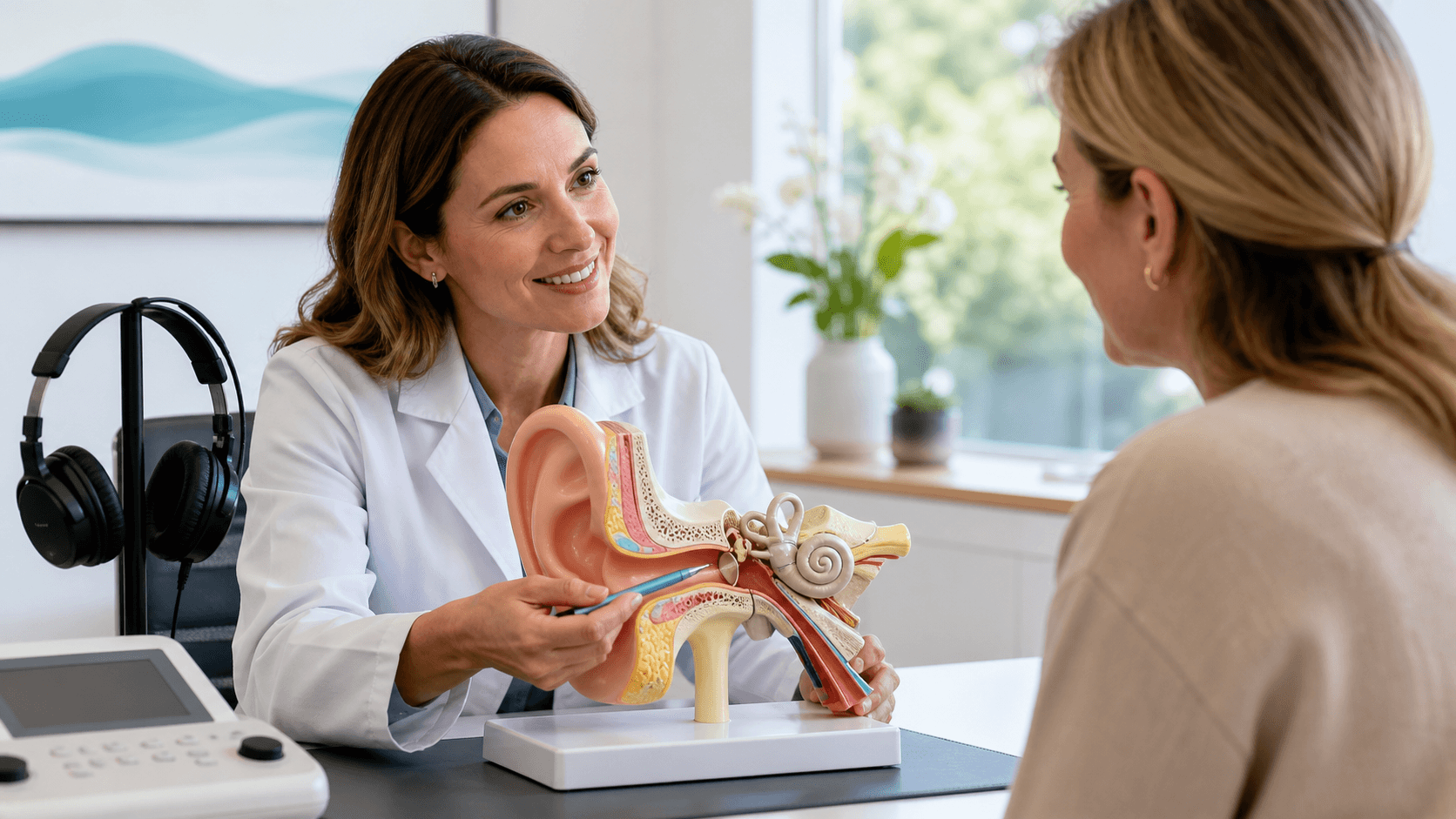
Microsuction gives us a clear view throughout treatment. This allows us to work carefully around the natural shape of your ear canal and stop if the ear looks inflamed, infected or unsuitable for immediate removal. If hearing remains affected once wax has been cleared, we may suggest a hearing check or a discussion about hearing aid support and tinnitus guidance.
Blocked Ears Can Feel Worse During Winter
Cold weather does not necessarily mean your ears are producing more wax. Yet colds, congestion and sinus pressure are more common during the colder months, and they can create a feeling of fullness in the ears. If wax is already present, hearing may seem even more muffled or uncomfortable.
Autumn and winter can also make reduced hearing more noticeable. Busy workplaces, darker evenings, family visits and seasonal travel often involve more background noise and more conversations to follow. A blocked ear can make these situations tiring.
To reduce avoidable wax compaction, keep hearing aids clean and dry, and arrange support if your devices are not performing as expected. Avoid using cotton buds after bathing or showering. If you regularly experience wax build-up, an ear check before your plans are disrupted may be more comfortable than waiting for a complete blockage.
Aftercare and When to Seek Further Help
After wax removal, your ear may feel unusually open, sensitive or loud for a short time. This can happen because you have become used to hearing through a layer of wax. Follow the personal aftercare guidance we provide, especially if the canal was irritated or the wax was firmly compacted. Do not place cotton buds, tissues, hairpins or ear candles in the ear afterwards, and only use softening drops if we have recommended them.
If hearing stays reduced after wax removal, tinnitus changes noticeably or discomfort continues, wax may not have been the only cause. In that situation, further professional assessment is sensible. Severe pain, sudden hearing loss, discharge, dizziness or symptoms after an injury should always be treated as a reason to seek urgent medical advice rather than routine wax removal.
Prompt Care When You Need It Most
Manchester Hearing Aid & Earwax Removal Clinic provides timely, professional support for blocked-ear concerns that need prompt attention. You can book emergency ear wax removal in Manchester with our experienced team for a careful assessment and appropriate treatment. If you have questions about availability or your symptoms, contact us and we will help you arrange the next step.