Hearing Health in Manchester: Why Early Action Matters
Hearing loss is part of everyday life for many people in Manchester and Greater Manchester, from students on the tram to grandparents at family gatherings. When hearing starts to fade, it can affect work, social life, and mental health, making conversations harder, causing misunderstandings, and leaving people feeling left out or low in mood. It often develops gradually, so it is easy to shrug off as "just getting older" or blame it on a noisy bar or a bad phone line.
Many people delay seeking help, sometimes for years. They may feel embarrassed, worry about the idea of hearing aids or hope the problem will simply disappear. This delay can make communication harder, strain relationships and, in some cases, allow treatable causes like earwax build-up to worsen. As a hearing clinic in Didsbury, we see how early assessment can prevent small problems from turning into much bigger ones.
In this guide, we explain the early hearing loss symptoms Manchester patients should look out for, the main types and causes of hearing loss, and how different treatment pathways work. We also share when it is sensible to arrange a routine check and when you should seek urgent help from a GP or hearing specialist.
Recognising Hearing Loss Symptoms in Manchester Daily Life
Hearing loss rarely appears overnight. It usually creeps into daily routines so quietly that you only notice when it starts to affect the things you enjoy. You might notice yourself nudging the TV volume higher than others would like, or struggling to follow conversation on a busy tram or in your favourite Manchester café.
Common early signs include:
- Turning the TV or radio up louder than those around you prefer
- Asking people to repeat themselves, especially in groups or noisy places
- Finding phone calls harder to follow, particularly on mobiles or conference calls
- Difficulty hearing soft voices or missing parts of words so everything sounds a bit mumbled
There are also emotional and social clues. You may start avoiding noisy pubs or family dinners because listening feels tiring, or feel anxious about joining group conversations in the office. Some people notice they feel exhausted after social events, as if their brain has been working overtime to fill in the gaps. Misunderstandings at work or at home can lead to frustration on both sides.
Certain symptoms are red flags that may indicate a medical issue rather than gradual age-related change. These include:
- Sudden hearing loss in one or both ears
- A feeling of pressure, fullness or pain in the ear
- Persistent ringing, whooshing or buzzing sounds, known as tinnitus
- Dizziness or balance problems alongside hearing changes
Sudden hearing loss, severe pain, discharge from the ear or strong dizziness should prompt urgent contact with a GP or emergency medical service. For persistent, milder symptoms, a same-day or prompt call to a hearing clinic in Didsbury or elsewhere in Manchester is usually appropriate so that your ears can be checked and the problem identified.
Types of Hearing Loss and What They Really Mean
When we test hearing, we are not only looking at how loud sounds need to be for you to hear them. We are also looking for patterns that show where in the ear or hearing pathway the issue sits.
Conductive hearing loss happens when sound cannot travel efficiently through the outer or middle ear. Common causes include earwax build-up, middle ear infections, ear canal problems or a perforated eardrum. Because the inner ear may still work well, conductive hearing loss is often treatable or partly reversible, for example by safe earwax removal.
Sensorineural hearing loss is caused by changes in the inner ear or auditory nerve. It is often linked with ageing, long-term noise exposure or certain health conditions and medications. This type of hearing loss is usually permanent, but modern hearing aids can make a big difference to clarity and comfort in daily listening.
Mixed hearing loss is a combination of both conductive and sensorineural issues. For example, someone might have age-related sensorineural loss as well as earwax blocking the canal. In these cases, careful assessment is important so that reversible factors are treated and any underlying, longer-term hearing loss is managed appropriately.
At a hearing clinic in Didsbury or elsewhere in Manchester, a full hearing assessment can identify the type and degree of loss. This typically includes a detailed history, inspection of the ears and audiometry to map what you can hear. The results then guide the right pathway, whether that is wax removal, monitoring, medical referral or fitting of hearing aids.
Age-Related vs Noise-Induced Hearing Loss in Manchester
Age-related hearing loss tends to appear gradually from mid-life onwards and usually affects both ears in a similar pattern. People often first notice difficulty hearing in background noise or needing subtitles for films. It is common across all communities in Manchester and is a natural part of ageing for many, although lifestyle and health can influence how quickly it progresses.
Noise-induced hearing loss is linked to repeated or intense exposure to loud sounds. In Manchester, that might include gigs, clubs, personal music players at high volume, construction or industrial work, traffic, or loud stadium events. Noise can damage the delicate hair cells in the inner ear, particularly those responsible for high-pitched sounds like birdsong or consonants in speech. Once damaged, these cells do not grow back.
Age-related and noise-induced changes often coexist. Someone who has spent years working on a noisy site or enjoying loud nightlife may notice hearing difficulties earlier than someone with quieter habits. The pattern of loss on a hearing test can often suggest whether noise has played a role.
The good news is that practical steps can reduce the impact of noise:
- Keep personal music players at a comfortable level where you can still hear external sounds
- Use musician's or foam earplugs at gigs, clubs or loud sporting events
- Wear appropriate ear protection at work if you are in construction, manufacturing or other noisy roles
- Take regular breaks from loud environments to give your ears a rest
- Arrange routine hearing checks if your lifestyle or job involves regular high noise
Hearing Loss Treatment and Support Options in Manchester
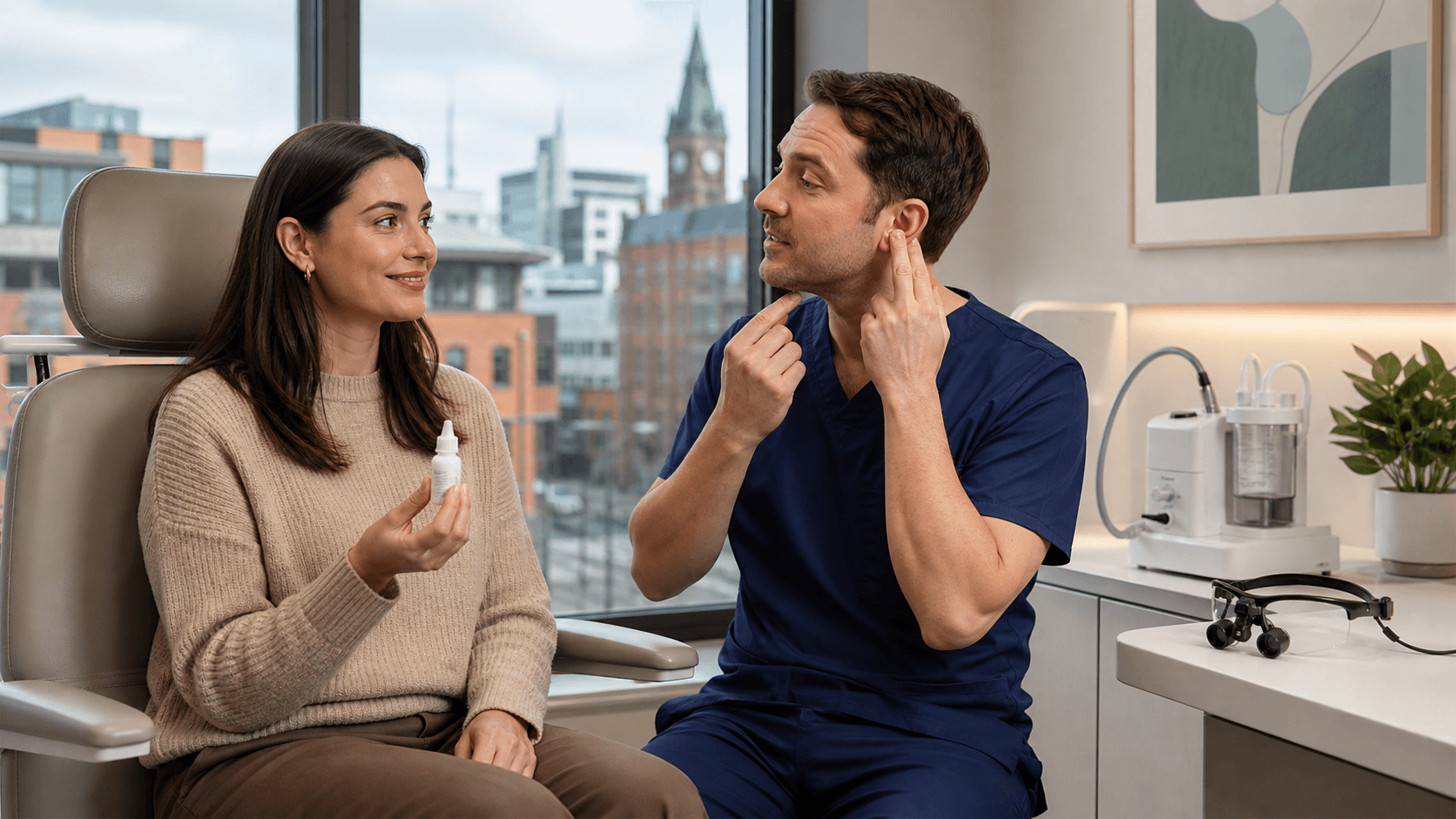
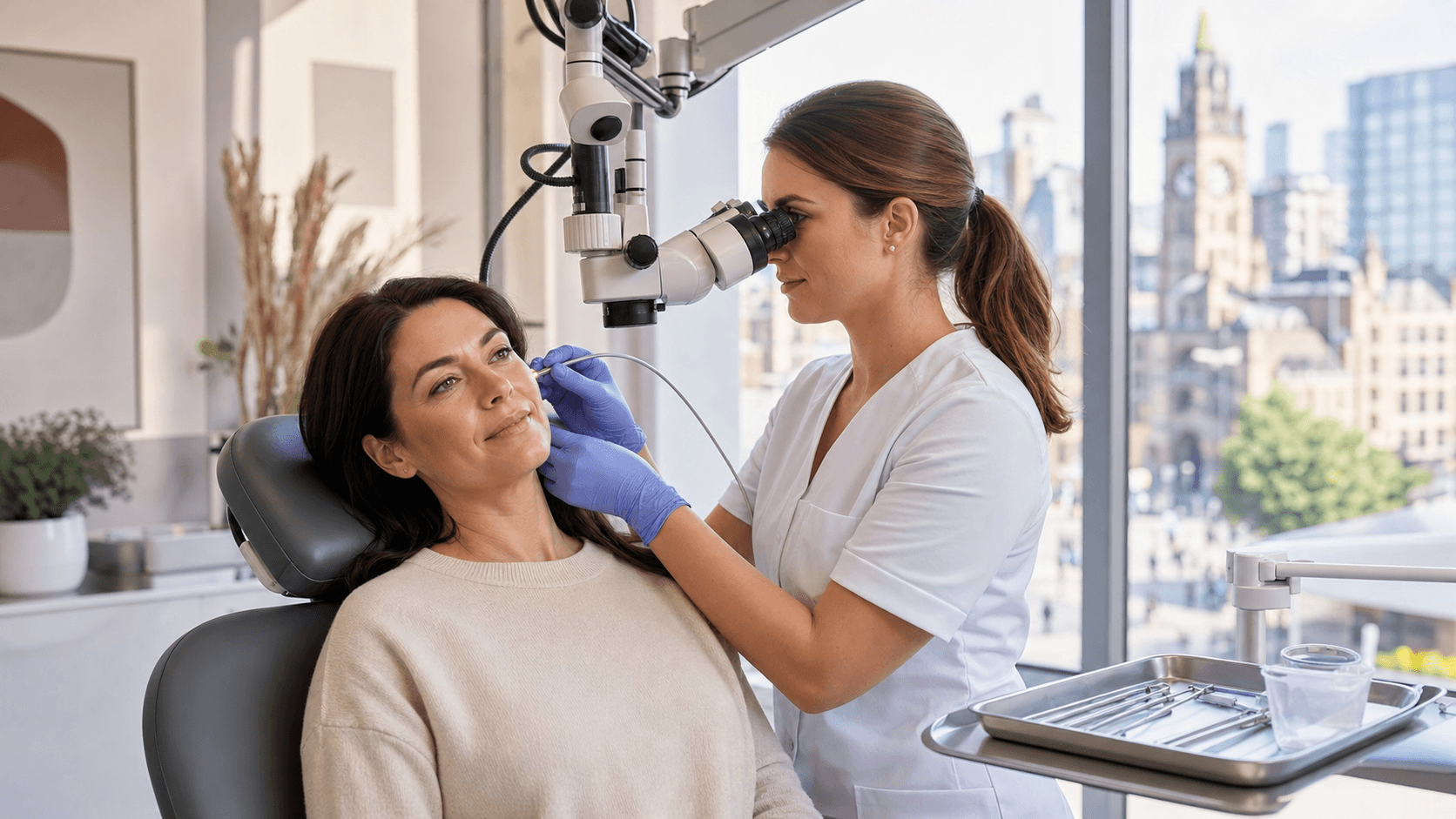
Treatment depends on the cause of your symptoms, which is why assessment is so important. For some people, the first step is simply clearing blocked earwax. At Manchester Hearing Aid and Earwax Removal Clinic, we provide earwax removal using appropriate techniques such as microsuction, with the aim of safely restoring the ear canal so sound can pass through more easily.
If your hearing loss is not due to wax, the next stage is usually a full hearing test. This is a gentle, non-invasive process that measures how you hear different tones and speech at various volumes. The results allow us to discuss whether hearing aids might help and, if so, which style and technology level may suit your hearing, lifestyle and priorities. Modern hearing aids can be very discreet, with options that sit behind the ear or more invisibly in the ear canal.
Tinnitus support is another key part of hearing care. Many people in Manchester live with ringing or buzzing in their ears, which can affect concentration, sleep and mood. Management may include:
- Careful assessment to understand the pattern and impact of the tinnitus
- Hearing aids, particularly if there is associated hearing loss
- Sound therapy, such as low-level background sound to reduce awareness
- Advice on relaxation and sleep strategies to lower stress around the tinnitus
In Manchester, support is available through both NHS and private pathways. GPs can refer to hospital audiology departments for assessment and hearing aids, while private clinics can often offer quicker access, flexible appointment times and longer consultations. As a specialist clinic based in Didsbury, we focus on earwax removal, hearing testing, hearing aids and tinnitus support for local patients.
When to Seek Help and How Manchester Patients Can Get Started
So when should you stop putting up with listening difficulties and take action? In general, it is sensible to arrange a hearing check if:
- Hearing problems last more than a few weeks rather than a day or two
- You notice a clear impact on work, social life or family conversations
- Friends, colleagues or relatives comment that you do not hear them well
- You find yourself avoiding situations you once enjoyed because of listening effort
There are also situations where you should seek urgent attention. Sudden hearing loss, especially in one ear, severe ear pain, discharge from the ear, or strong dizziness or spinning sensations should be treated as medical priorities. In these cases, you should contact a GP or emergency service for same-day advice, and they can guide you on whether ear, nose and throat or hospital assessment is required.
For non-urgent concerns, arranging an appointment at a hearing clinic in Didsbury or elsewhere in Manchester is a straightforward way to understand what is happening with your ears. At Manchester Hearing Aid and Earwax Removal Clinic, the first visit usually includes a conversation about your symptoms and lifestyle, an examination of your ears and, where appropriate, a hearing test. Many people feel relieved simply to have clear information and a plan, whether that involves wax removal, monitoring or hearing support.
Taking that first step early often leads to better outcomes. Even small changes, like improving hearing in meetings or reducing the strain of following conversations on Deansgate or on the tram, can have a big effect on confidence and quality of life. Recognising the signs, knowing your options and seeking timely help are key parts of protecting your long-term hearing health in Manchester.
Take The Next Step Towards Better Hearing Today
If you are ready to improve your hearing comfort and clarity, our team at Manchester Hearing Aid & Earwax Removal Clinic is here to help. Book an appointment at our hearing clinic in Didsbury and we will guide you through every stage, from assessment to tailored treatment. If you have any questions or prefer to arrange a visit by message or phone, simply contact us and we will respond promptly.