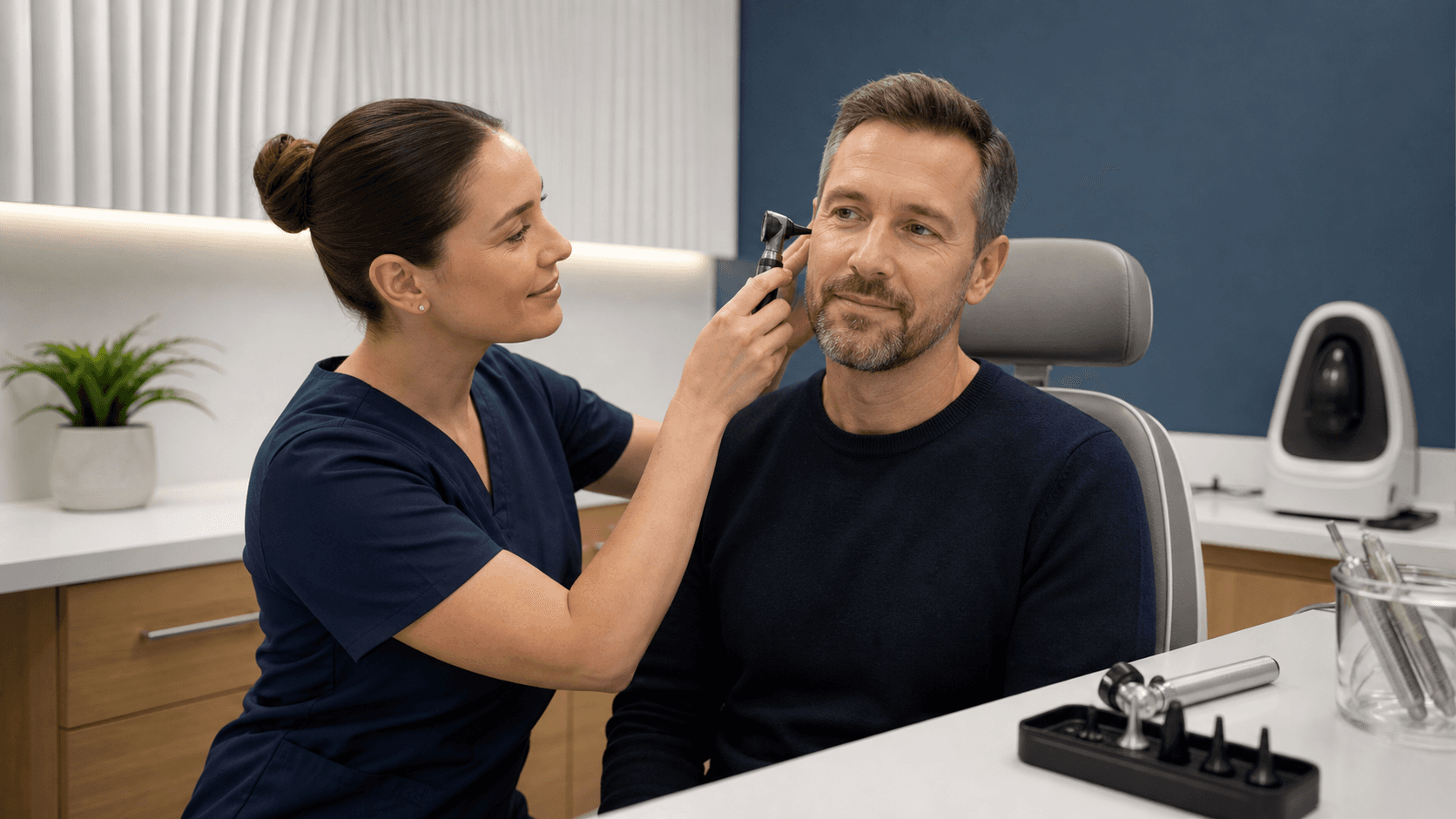
Hearing aid maintenance in Manchester can make a real difference as autumn brings wetter days, stronger winds and more time spent indoors with other people. When your devices are clean, dry and working as they should, it can be easier to stay involved in conversations and enjoy the sounds around you.
As the evenings draw in, many of us spend more time in cafés, family homes, community groups and seasonal events. These places can be noisy, so autumn is a sensible time to give your hearing aids some attention before winter arrives.
Hear Every Autumn Moment with Confidence
Autumn in Manchester can be full of everyday sounds worth hearing, from chats on a walk through a local park to a catch-up over lunch with friends. Yet rain, wind and background noise can make listening feel harder when a hearing aid is not performing at its best.
Indoor gatherings often become more common at this time of year too. Family meals, theatre visits, work meetings and social events may involve several people talking at once. A hearing aid that has become blocked, damp or low in power can make these situations more tiring than they need to be.
From our Didsbury clinic, we provide personalised hearing care for people who need support with hearing aids, hearing tests, microsuction earwax removal and tinnitus concerns. Our specialists can look at the full picture, rather than treating a change in hearing as just a device problem. Same-day appointments may also be available when needed.
Prepare Your Devices for Colder, Wetter Days
Rain and changes in temperature are part of autumn life in Manchester. Although hearing aids are designed for everyday use, moisture and condensation can affect sound quality, battery performance or charging contacts if devices are not cared for properly.
A simple routine can help you notice small issues early. We generally recommend following the care guidance provided for your particular model and keeping your hearing aids in a safe, dry place when they are not in use. Avoid putting them near radiators, hairdryers or other direct heat sources, as heat can damage delicate parts.
Useful habits for wet-weather days include:
- Wiping the outside of your hearing aids with a clean, dry, soft cloth
- Checking that battery doors or charging contacts are free from visible debris
- Carrying a protective case when travelling or heading out for the day
- Removing devices before showering or swimming
- Using an umbrella or hood during heavy rain where practical
Some people may benefit from moisture-management products recommended by a hearing care professional. If your hearing aids sound intermittent, distorted or unusually quiet after damp weather, it is best to have them assessed instead of trying to repair them yourself.
Keep Moisture and Earwax From Affecting Sound
Not every sound problem means your hearing aid has stopped working. Moisture, blocked wax filters, worn domes, tubing concerns and earwax in the ear canal can all change the way sound reaches you.
We often hear that a device seems quieter than usual, only to find that it needs attention rather than replacement. Feedback or whistling can also be a sign that the fit, wax protection or ear canal needs checking. Ignoring these changes may leave you turning the volume up repeatedly without solving the real issue.
Signs that it may be time for professional hearing aid care include:
- Muffled, weak or unclear sound
- Whistling or feedback that is new or more frequent
- Needing higher volume settings in familiar places
- Discomfort when wearing your hearing aids
- Struggling more than usual to follow everyday conversations
Your hearing aids may come with a small brush or wax pick for approved cleaning tasks. These tools should only be used as you have been shown, and any filters, domes or tubing should be changed only when you are confident doing so safely or have received professional instruction.
Earwax can also affect listening comfort and hearing aid performance. We do not recommend putting cotton buds or other objects into the ear canal, as this can push wax further in or cause irritation. At our clinic, we can assess whether microsuction earwax removal may be suitable and whether clearer ears could help you hear more comfortably through your devices.
Know When Professional Hearing Aid Care Helps
Hearing aid maintenance in Manchester is about more than a quick wipe at home. A professional check can help identify smaller concerns before they become disruptive during social plans, travel or busy indoor occasions.
During a maintenance visit, we may inspect the device, assess sound output, clean accessible parts and review batteries or charging performance. Where appropriate, we can also discuss suitable consumable parts and whether your current hearing aid settings still match your listening needs.
A hearing review may be helpful if you have noticed changes such as difficulty following conversation, hearing the television, managing background noise or understanding higher-pitched voices. Bringing your hearing aids with you allows us to consider both your devices and your hearing needs together.
Some symptoms need prompt clinical advice rather than routine hearing aid maintenance. Sudden changes in hearing, ear pain, discharge, dizziness or severe tinnitus should not be treated as a simple device issue. Seek help through the appropriate healthcare service if these concerns arise.
Support Clearer Conversations Throughout Autumn
Even well-maintained hearing aids can be challenged by a crowded restaurant or a lively family gathering. Small communication changes can make listening less tiring when there is competing sound around you.
Where possible, choose a quieter seat away from loud speakers, coffee machines or busy doorways. Facing the person speaking can help you pick up facial expressions and lip movements, while good lighting can make these useful visual cues easier to see. It is also reasonable to ask friends and family to speak clearly at a natural pace.
Depending on your hearing aids, features such as directional microphones, noise-reduction settings, remote controls or compatible smartphone apps may help in changing environments. If you are unsure what a setting does, it is better to ask us for guidance than to make unfamiliar adjustments on your own.
Make Hearing Aid Care Part of Your Autumn Routine
A little regular attention can help you feel more prepared for rainy walks, indoor events and the conversations that matter to you. Keeping devices dry, following their individual care guidance and having new listening concerns assessed can prevent minor issues from becoming a bigger frustration.
Clearer autumn listening often begins with a professional check and a few simple maintenance habits.
Keep Your Hearing Aids Comfortable And Reliable
At Manchester Hearing Aid & Earwax Removal Clinic, we can support your daily comfort with hearing aid maintenance in Manchester and advice tailored to your needs. We also provide custom earmoulds and earplugs for a secure, practical fit. To discuss your requirements or arrange an appointment, contact us today.